
The SEO landscape just shifted. As of February 5, 2026, Google has initiated a dual rollout: a broad Search Core Update and a specialized Discover Update. For developers and SEO consultants who prefer custom-built solutions over heavy plugins, this February 2026 Google Update represents both a challenge and a significant opportunity to outpace the competition.
1. The February 2026 Google Update for Discover (Feb 5)
The most immediate change is the February 2026 Google Update for Discover. While currently rolling out for English-speaking users in the US, the official Google Search Status Dashboard
confirms that global expansion is imminent. The underlying logic is clear: Google is prioritizing Topical Expertise and Local Relevance.
The algorithm is becoming far more efficient at identifying “domain specific” authority. If your site demonstrates deep technical knowledge in a specific niche-whether that is auto parts, high-end kitchenware, or custom software you are likely to see a boost in Discover visibility. The key takeaway? Stop generalist “catch-all” content and double down on your core niche.
2. Search Core Update: The “Long Click” and Topical Clusters
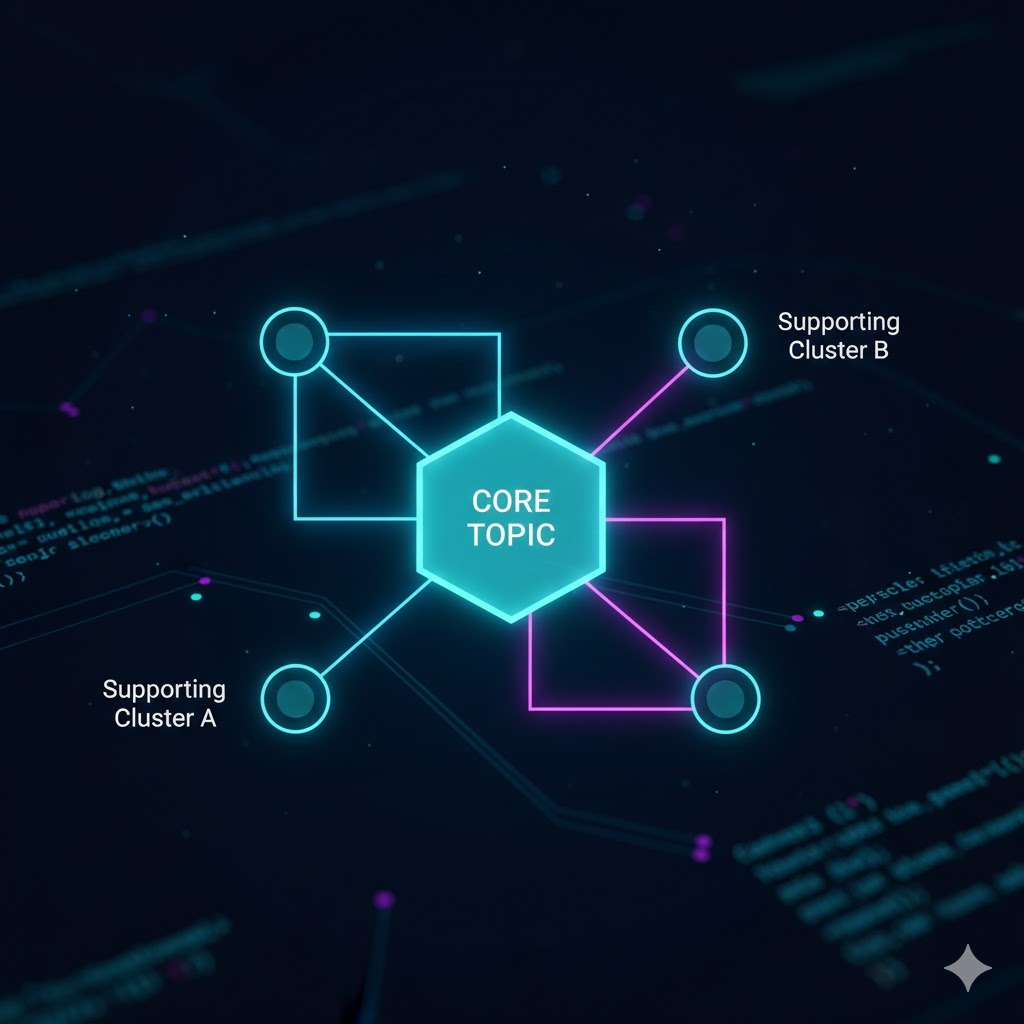
Running alongside the Discover update, the standard Search Core Update is focusing on how users interact with content clusters. Google is moving away from ranking isolated pages and is now rewarding entire “Knowledge Graphs” within a website.
To stay competitive:
- Focus on Clusters: Ensure your internal linking architecture reinforces your primary topics.
- Engagement Matters: Google is heavily weighting signals that indicate a user found everything they needed on your site. High bounce rates back to the SERP (Search Engine Results Page) are being penalized more than ever.
- Performance: With the Tensor G4 chip now powering the latest mobile devices, Google’s expectations for mobile performance and INP (Interaction to Next Paint) are at an all time high.
3. The Universal Commerce Protocol (UCP)
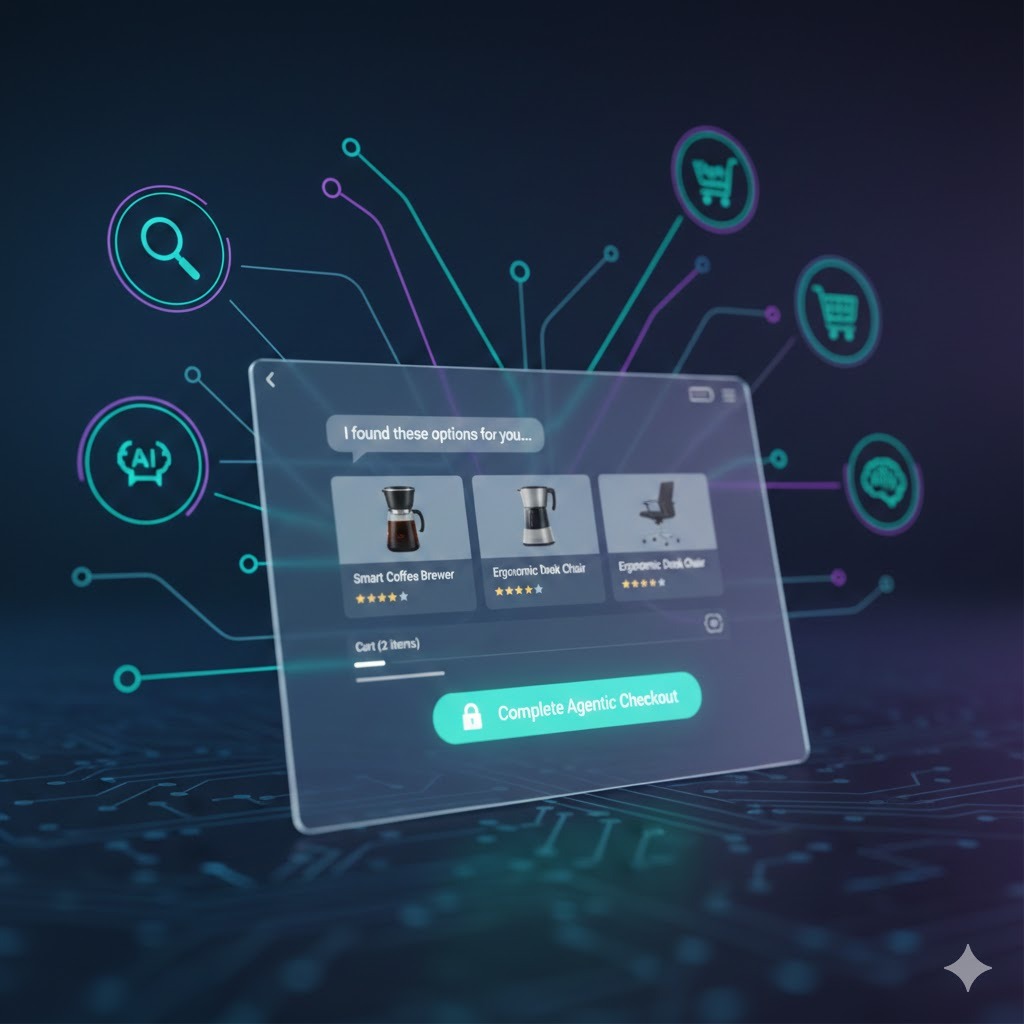
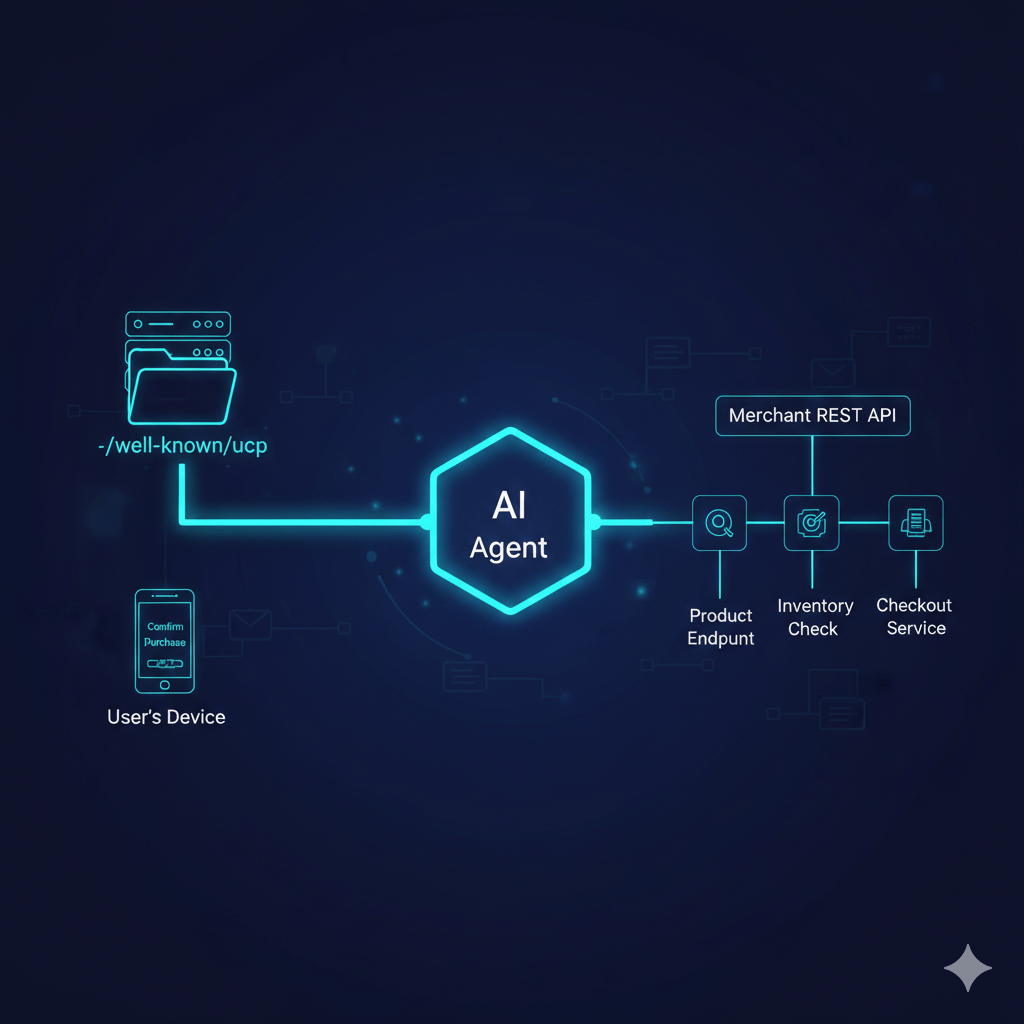
The most significant technical news this month is the official launch of the Universal Commerce Protocol. As noted in the documentation on Google for Developers, Google is no longer just a search engine; it is becoming a transaction layer for AI agents.
By hosting a JSON manifest at /.well-known/ucp, you can now allow Google’s AI agents to discover your product endpoints, pricing, and checkout logic directly. This is a game changer for those of us building custom WordPress themes and lightweight eCommerce setups. It allows for “Agentic Commerce,” where the AI handles the discovery-to-checkout journey without the user needing to navigate a traditional UI.
4. Human Centered Content and AI Filtering
Google has significantly refined its detection of low effort AI content. While AI assisted workflows are common, the update is aggressively suppressing content that lacks:
- Original Data: Unique insights or benchmarks.
- Personal Experience: First hand accounts of using a product or solving a technical problem.
- Clean Technical SEO: Sites with excessive third party bloat are seeing more volatility than lightweight, custom coded alternatives.
Final Thoughts on the February 2026 Google Update
This update proves that the future of SEO isn’t just about keywords. It’s about technical infrastructure and topical density. For those of us building internal tools like CrawlerCheck and custom optimized themes for different Content Management Systems, this is the perfect time to audit your crawl budget and ensure your technical foundations are ready for the UCP era.

2 comments on “The February 2026 Google Updates: Transitioning to Agentic Commerce”